
Watch Odegaard receive the ball on the half-turn, and you'll notice something immediate: his first touch almost always takes him away from pressure. That's not luck. It's a trained habit. In any possession-based system, the Norwegian midfielder's core value lies in how he creates a half-yard of space before the defender can react. Start by studying his body shape. When the pass comes in, his hips are already open to the far side. Replicate that in your own game—or in your analysis—by focusing on the scan before the receive. Odegaard checks his shoulder at least twice before the ball arrives. That pre-reception scan is the foundation of everything else he does.Once he's on the ball, Odegaard rarely dribbles past more than one player. He doesn't need to. His release is quick, often one or two touches, and the pass is usually angled forward rather than square. A practical drill: set up a 15x15 yard grid with three teammates. Receive on the back foot, then play a first-time pass through a gate. Repeat for five minutes. You'll feel the difference in tempo. Odegaard's assist numbers don't come from hollywood balls;they come from repeating this simple pattern until it's automatic. I've watched him in person at the Emirates。and the most striking thing is how rarely he takes a heavy touch. Efficiency over flair.
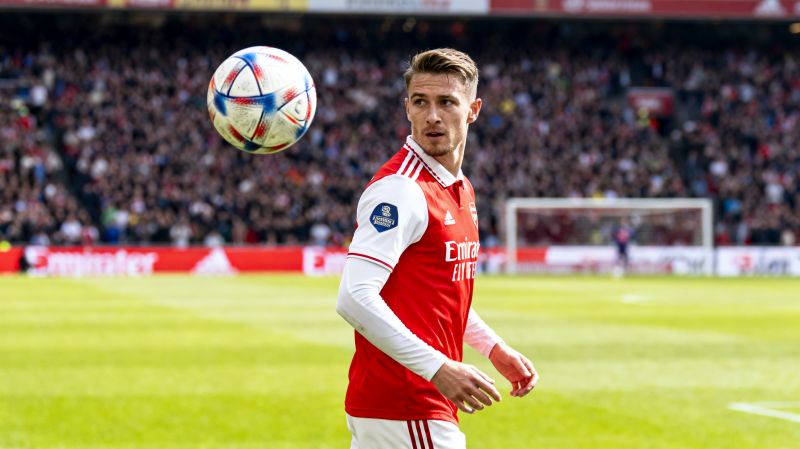
Off the ball。Odegaard's movement is subtle but relentless. He drifts into the right half-space, then checks back toward the ball, then spins in behind. That constant motion drags midfielders out of position. If you're coaching a team, design a possession rondo where the central player must touch the ball in three different zones within ten seconds. That mimics Odegaard's roaming. Defensively, he's not a destroyer—he cuts passing lanes by positioning his body at a slight angle, inviting the opponent to play into traffic. Watch him against low-block teams: he'll stand just off the back line's shoulder, not pressing wildly, but blocking the switch. Small details, big impact.Set pieces are another area where Odegaard delivers practical value. His corner kicks are driven, not floated。targeting the near-post flick-on zone. If you're analyzing set-piece routines, note how he varies the delivery: sometimes short, sometimes deep, but always with a consistent backspin that keeps the ball in play. For players learning the craft, practice hitting a driven corner to the penalty spot with two teammates making near- and far-post runs. Odegaard's accuracy here isn't supernatural—it's repetition. I've seen him stay after training for twenty minutes just on dead-ball strikes. That's the unglamorous work behind the highlight reels.Finally, leadership. Odegaard's captaincy isn't about shouting. It's about tempo control—knowing when to slow the game down with a sideways pass and when to switch play with a diagonal. In your own five-a-side games, try being the tempo-setter for one match. Count your forward passes versus safe passes. Aim for a 60-40 split in favor of forward. That's roughly Odegaard's ratio in the final third. It forces you to look up earlier and trust your first touch. The practical takeaway: Odegaard's game is built on repeatable micro-decisions。not magic. Copy the scan, the body shape, and the release. The rest follows.